What a child eats and drinks from birth to early adulthood determines their health throughout their entire lives.
General eating habits are formed during the first few years of life, so it is very important to encourage and implement healthy eating during this period.
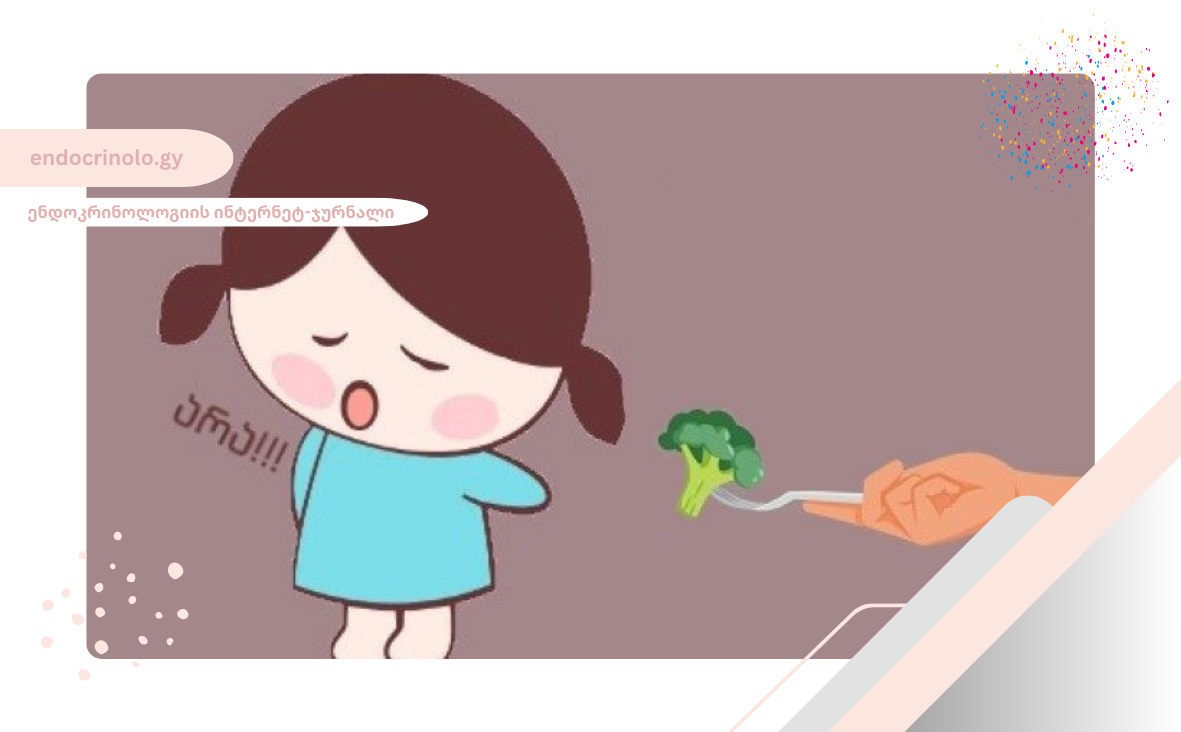
Therefore, when a child is fussy and a bad eater, it is completely natural for parents to be concerned about this issue.
What we need to know about the peculiarities of baby nutrition
Refusing to eat or try new foods is generally normal for a child.
Sometimes toddlers go through phases where they stop eating foods they used to enjoy.
Obviously, the best option is a daily full meal, but if that doesn't work out, the main focus should be not on how the child eats during the day and whether he or she finished the offered portion, but on whether he or she received a sufficiently varied and balanced diet during the week.
A child's diet should include at least some products from each of the 4 main food groups. These groups are:
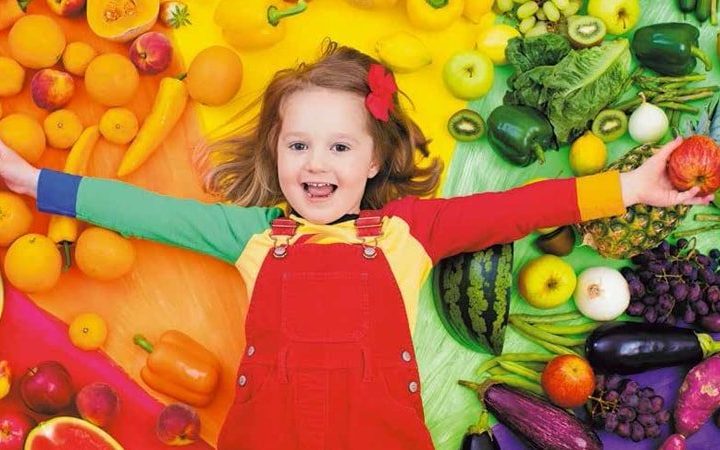
- Fruits and vegetables
- Starchy carbohydrates, such as potatoes, bread, rice, pasta, etc.
- Milk and its products
- Protein products, such as: meat, fish, eggs, beans, etc.
If a child's diet is disrupted for a few days, it will not harm his flexible body, but if such a period is prolonged, it is already noteworthy. At this time, it is necessary to assess the child's general condition, how active he is, what is the growth rate and weight gain.
What can cause you to become a picky eater?
There can be many reasons why a child does not eat certain foods.
- First of all, it may be a matter of sensory perception. Some children will be more sensitive to the taste, smell, texture, and temperature of food than others.
- The child may have traumatic memories of various foods, such as an episode of abuse, food poisoning, or food temperatures that are too hot or too cold.
- If the child is relatively older, he may be concerned about his body shape and this may be a reason for avoiding food.
- Some people, including children, do not like changes in routine, and this can also affect their eating habits. In this case, food that is offered in a different way, at a different time, and in a different place may be rejected. Different packaging of food can have a similar effect.
- Sometimes a child simply "copy" their parent's demanding behavior regarding feeding.
Observing a child's behavior and individual characteristics and identifying these possible causes allows the parent to plan what food to offer the child, where, and when, in a way that increases the likelihood of food intake.
How to offer food to picky children – tips for parents
The process of feeding a child involves sharing responsibilities between the child and his or her parent.
Specifically, it is the parent's responsibility to control what, where, and when the child is fed. The child decides whether to eat this food and how much to eat. Therefore, the general attitude should be as follows:
- Don't force the child to eat.
- When refusing food, put the dish aside as calmly and without reproach as possible and do not offer any alternative food until the next mealtime.
- Avoid snacking on sweets or other treats for a period of time (preferably at least 90 minutes) before meals. Also, avoid drinks, as these will make your stomach feel full and suppress your appetite, making you more likely to refuse food.
- If the child is age appropriate, give them a choice and ask them in advance which of two different dishes they would prefer to have prepared for dinner.
- Try to set an example and often eat the same foods with him that you offer him.
- Offer food in small portions and praise even if he eats a small amount.
- The child may be a slow eater and this requires patience on the part of the parent.
- Don't use sweets as a reward after meals, as this may create the idea that if sweets are a reward, eating vegetables is a punishment. Instead of sweets, you can offer a walk in the park, playing together, coloring, or another activity that he really enjoys.
- If you know a child of the same age who is a good eater, invite him or her to your home for a meal, but don't focus too much on how good other children are because they eat well.
- You can also ask an adult who the child really likes to eat with you.
- Sometimes a child will eat food served by someone else without resistance. This could be, for example, a grandparent or another family member.
- Offer your child food in different forms. For example, if he doesn't eat cooked carrots, he may like them raw and grated.
- Participate in the preparation process
- Choose attractive children's dishes
- Ensure your child gets adequate physical activity and moderate exercise during the day.
- Try not to associate the eating process with stress and create a fun and positive environment during this time. Be patient and don't lose your temper.
New product offer
The British Dietetic Association's Pediatric Group says that new foods and flavors should be introduced multiple times.
It may take up to 16-17 attempts before a child accepts a new taste. Therefore, parents should not give up prematurely.
Introducing a new flavor can be done slowly and in stages, including the following steps:
- Put the new product on the table
- Put it on a plate.
- Ask and encourage him to touch it with his hand.
- Encourage him to touch her with his tongue.
- Encourage him to put it in his mouth.
- Encourage him to chew.
- Encourage him to swallow.
Sit down with him, taste the same product yourself, and describe your feelings, for example, with words like: "sweet," "easy to chew," "crunchy," and so on, to get a preliminary idea of the taste and texture.
A child's taste buds often change. What they don't want to see today may become a favorite food after a while.
Therefore, after a while, you can return to offering the same products that the child previously refused to eat.
Written by: Elga Giorgadze, MD (Doctor Endocrinologist)