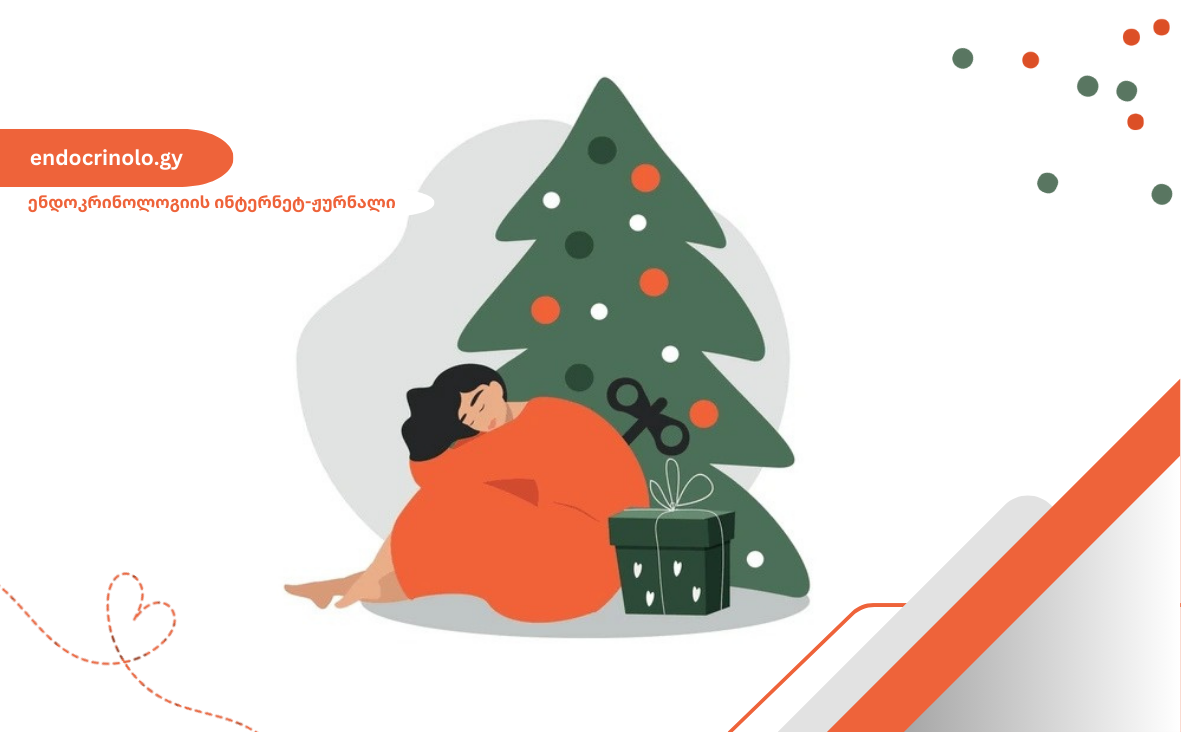
For most people, the holiday season is associated with pleasant emotions, family gatherings, and relaxation.
However, for the body, these days are often a period of stress, disorder, and hormonal imbalance.
That's why, after the New Year, many people feel tired and lethargic, gain weight, or have an increased craving for sweets.
Why is hormonal balance disrupted after the holidays?
How do these changes manifest themselves?
Which hormones react the most strongly?
How do we get out of this situation healthy and safe?
This is a list of issues discussed in the article.
Why the holiday season is stressful for the body
The holidays look mostly like this for our bodies:
- more stress
- less sleep
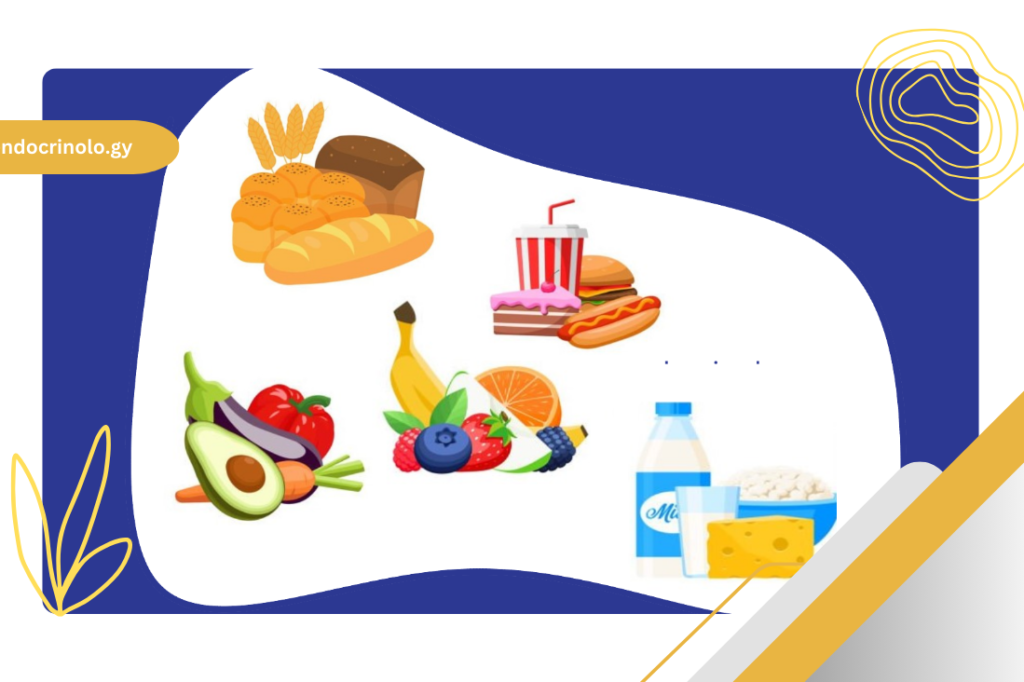
- more sweets and alcohol
- Less stability and regularity in daily routine
That's why, after such days, along with pleasant memories, we are often left with a hormonal imbalance as a gift, which can manifest itself in the following ways:
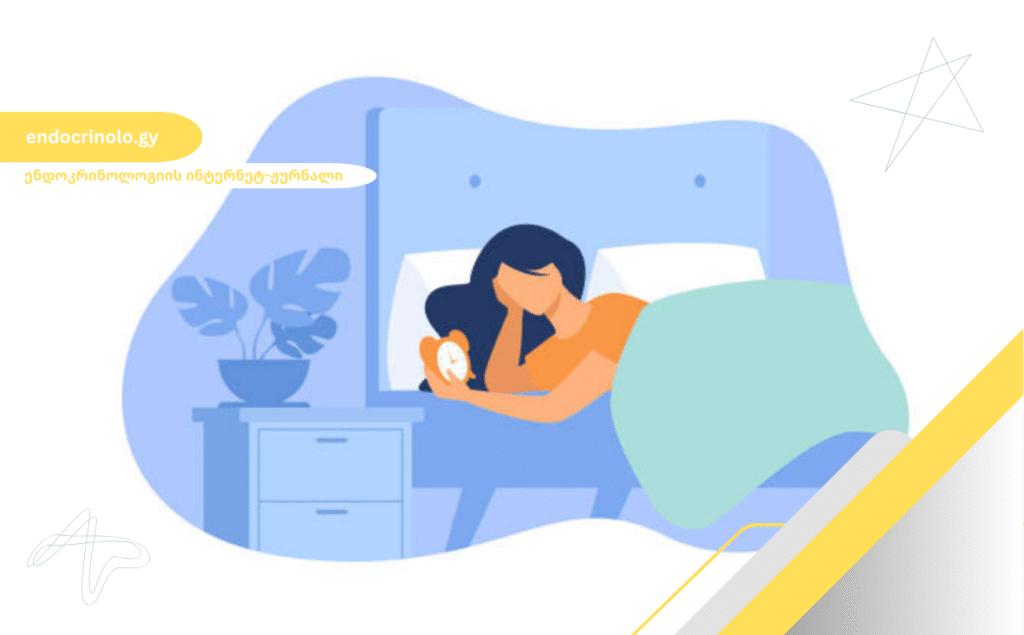
> You wake up tired in the morning, but have difficulty falling asleep at night
> You have an increased desire for sweets
> You suffer from swelling or bloating
> Your mood and motivation are variable
> You have difficulty performing usual physical activities.
What endocrine shifts are behind these changes?
1) A sharp increase/decrease in cortisol – Our main stress hormone, cortisol, is sharply increased during the holidays, because not only negative, but also excessive positive emotions are stressful for the body. Its increase is also contributed to by lack of sleep.
After a busy and noisy day, cortisol levels drop sharply as the body tries to recover from the stressful period. This is accompanied by a feeling of weakness, low mood, and irritability. Changes in cortisol also affect the activity of other hormones. 2) Disruption of blood sugar regulation – eating too many sweets, large portions of food, irregular eating habits, and reduced physical activity – all of this can lead to high blood sugar levels in people with diabetes, prediabetes or insulin resistance syndrome. Weight gain (even by 1-3 kg) and sleep deprivation also contribute to the worsening of insulin resistance.
3) These changes also affect the balance of sex hormones, especially in women, and may manifest as changes in the menstrual cycle, increased premenstrual symptoms, decreased libido, and water retention.
How to get out of this situation?
First of all, what we should not do is impose strict restrictions on the body in the form of diets, because we cannot relieve the body from stress by adding more stress.
Instead:
- Return to a regular eating regimen
- Reduce your intake of sugar and simple carbohydrates, even if only gradually.
- Increase the amount of healthy protein, fiber-rich vegetables in your diet.
- Increase your water intake.
- Resume physical activity – start lightly
- If symptoms persist, consult a doctor to schedule appropriate tests.
Author: Elga Giorgadze (MD of Endocrinology)